The Rooted Path Blog

Understanding and Addressing BIPOC Considerations in Eating Disorder Treatment
When we broaden our understanding of how culture, identity, and structural factors impact eating disorders, we develop more nuanced, individualized approaches.

Celebrating PRIDE: The Essential Role of Gender-Affirming Nutrition Care
For LGBTQIA+ individuals, accessing healthcare that respects their identity isn’t just preferred—it’s essential for achieving meaningful health outcomes.
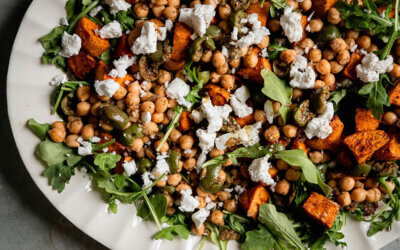
Roasted Sweet Potato Salad with Olive & Chickpea Dressing
This hearty roasted sweet potato salad is bursting with flavor! Briny olives, earthy za’atar and chickpeas, tender sweet potatoes, peppery arugula, and creamy vegan feta come together beautifully. Ready in 40 minutes with 10 core ingredients.
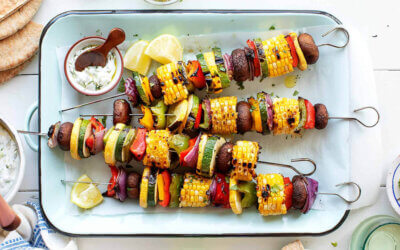
Grilled Vegetable Kebabs with Tzatziki Sauce
Lightly charred and flavorful, this recipe is a delicious cookout side or vegetarian entree.

Eating Disorders in Relation to Gender and Identity
Eating disorders are often perceived through a narrow lens—typically associated with young, white, cisgender women. However, this stereotype fails to capture the complex relationship between eating disorders and the multifaceted experiences of gender and identity. In reality, eating disorders affect individuals across the gender spectrum, and these experiences are deeply shaped by societal expectations, cultural narratives, and personal identity.
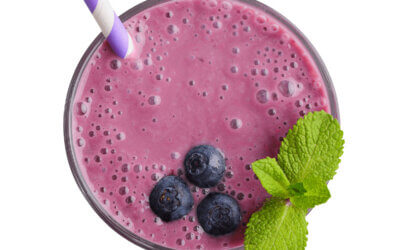
Berry Kefir Smoothie
Fermented dairy products are associated with better cardiovascular health outcomes including reduced blood pressure, increased HDL cholesterol and reduced risk of heart attack.

How to Approach Eating Disorder Recovery: Where to begin?
When it comes to eating disorder recovery, it can be hard to know where to start. If you or someone you are close with are contemplating reaching out for support with your eating disorder, but are unsure of what type of support you need, then you are in the right place. Below we have laid out the varying types of care, and how they differ from each other.

Supporting Recovery: How Nutrition Therapy Helps Heal Eating Disorders Across All Body Sizes
Discover how inclusive nutrition therapy supports eating disorder recovery by challenging weight bias and promoting a healthy relationship with food.
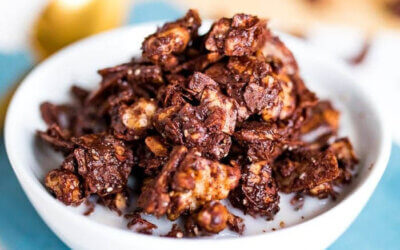
Chocolate Coconut Crunch Grain-Free Granola
Decadent and chocolatey. Satisfies sweet snack cravings and is high in micronutrients including iron and magnesium, protein and healthy fats. Snackable for on-the-go energy or try it on top of Greek yogurt or a smoothie bowl for a wholesome breakfast.
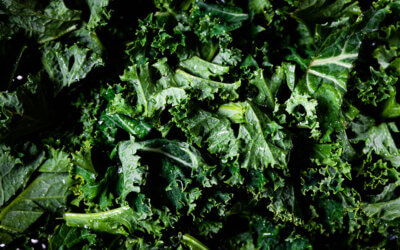
Massaged Kale Salad with Citrus and Pomegranate
If you normally find kale to be too fibrous and tough, we hope you’ll give this massaged kale salad a try!

How to Navigate Weight-Stigma and Diet Talk at the Doctor’s Office
You have the power to own the care you receive. The goal of this article is to give you the tools to feel confident in answering weight bias with a resounding “no.”

Navigating Weight Loss Talk in Eating Disorder Recovery
If you’re recovering from disordered eating, conversations about weight loss and body size can feel overwhelming. Letting go of the diet mentality, a crucial part of healing, means unlearning the cultural obsession with thinness and embracing a new way of thinking. In...

Seedy Cocoa Bliss Balls
These bliss balls come together quickly in about 10 minutes and are a supportive snack option to keep on hand when cravings arise.

Debunking Common Intuitive Eating Myths: Part 2
We break down more common myths that are associated with this anti-diet approach to nutrition.
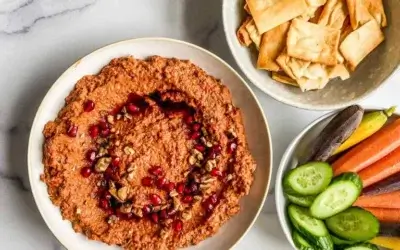
Muhammara Dip
This vibrant and flavorful dip provides a unique way to consume walnuts, which are low glycemic and an excellent source of fiber to prevent blood sugar spikes and crashes. Skip the breadcrumbs for a gluten-free option or substitute your favorite gluten-free breadcrumbs. Serve the muhammara dip with roasted sweet potatoes, warm pita, or fresh veggies.

Pasta Primavera with Seasonal Vegetables
Pasta Primavera with Seasonal Vegetables

Debunking Common Intuitive Eating Myths: Separating Fact from Fiction
Intuitive eating has gained traction as an empowering, anti-diet approach to nutrition, but along with its rise in popularity, plenty of myths and misconceptions have emerged. Some see it as an excuse to eat whatever they want, while others misunderstand its...
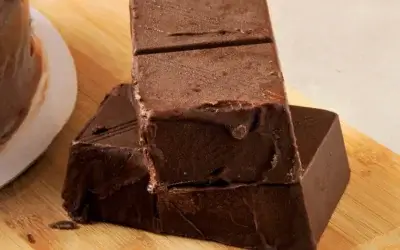
Almond Butter Fudge
This decadent fudge contains way less sugar and more fiber than the average fudge!

Supporting Your Child Through an Eating Disorder—While Healing Your Own Relationship with Food and Body
By working on your own healing, you can create a home environment that supports both your child’s recovery and your own well-being.

How to Identify an Eating Disorder
It can be hard to understand when the attempt to eat “healthier” may have gone too far, or when it may be time to reach out for support.
Understanding and Addressing BIPOC Considerations in Eating Disorder Treatment
When we broaden our understanding of how culture, identity, and structural factors impact eating disorders, we develop more nuanced, individualized approaches.
Celebrating PRIDE: The Essential Role of Gender-Affirming Nutrition Care
For LGBTQIA+ individuals, accessing healthcare that respects their identity isn’t just preferred—it’s essential for achieving meaningful health outcomes.
Roasted Sweet Potato Salad with Olive & Chickpea Dressing
This hearty roasted sweet potato salad is bursting with flavor! Briny olives, earthy za’atar and chickpeas, tender sweet potatoes, peppery arugula, and creamy vegan feta come together beautifully. Ready in 40 minutes with 10 core ingredients.
Grilled Vegetable Kebabs with Tzatziki Sauce
Lightly charred and flavorful, this recipe is a delicious cookout side or vegetarian entree.
Eating Disorders in Relation to Gender and Identity
Eating disorders are often perceived through a narrow lens—typically associated with young, white, cisgender women. However, this stereotype fails to capture the complex relationship between eating disorders and the multifaceted experiences of gender and identity. In reality, eating disorders affect individuals across the gender spectrum, and these experiences are deeply shaped by societal expectations, cultural narratives, and personal identity.
Berry Kefir Smoothie
Fermented dairy products are associated with better cardiovascular health outcomes including reduced blood pressure, increased HDL cholesterol and reduced risk of heart attack.
How to Approach Eating Disorder Recovery: Where to begin?
When it comes to eating disorder recovery, it can be hard to know where to start. If you or someone you are close with are contemplating reaching out for support with your eating disorder, but are unsure of what type of support you need, then you are in the right place. Below we have laid out the varying types of care, and how they differ from each other.
Supporting Recovery: How Nutrition Therapy Helps Heal Eating Disorders Across All Body Sizes
Discover how inclusive nutrition therapy supports eating disorder recovery by challenging weight bias and promoting a healthy relationship with food.
Chocolate Coconut Crunch Grain-Free Granola
Decadent and chocolatey. Satisfies sweet snack cravings and is high in micronutrients including iron and magnesium, protein and healthy fats. Snackable for on-the-go energy or try it on top of Greek yogurt or a smoothie bowl for a wholesome breakfast.
Massaged Kale Salad with Citrus and Pomegranate
If you normally find kale to be too fibrous and tough, we hope you’ll give this massaged kale salad a try!
How to Navigate Weight-Stigma and Diet Talk at the Doctor’s Office
You have the power to own the care you receive. The goal of this article is to give you the tools to feel confident in answering weight bias with a resounding “no.”
Navigating Weight Loss Talk in Eating Disorder Recovery
If you’re recovering from disordered eating, conversations about weight loss and body size can feel overwhelming. Letting go of the diet mentality, a crucial part of healing, means unlearning the cultural obsession with thinness and embracing a new way of thinking. In...
Seedy Cocoa Bliss Balls
These bliss balls come together quickly in about 10 minutes and are a supportive snack option to keep on hand when cravings arise.
Debunking Common Intuitive Eating Myths: Part 2
We break down more common myths that are associated with this anti-diet approach to nutrition.
Muhammara Dip
This vibrant and flavorful dip provides a unique way to consume walnuts, which are low glycemic and an excellent source of fiber to prevent blood sugar spikes and crashes. Skip the breadcrumbs for a gluten-free option or substitute your favorite gluten-free breadcrumbs. Serve the muhammara dip with roasted sweet potatoes, warm pita, or fresh veggies.
Pasta Primavera with Seasonal Vegetables
Pasta Primavera with Seasonal Vegetables
Debunking Common Intuitive Eating Myths: Separating Fact from Fiction
Intuitive eating has gained traction as an empowering, anti-diet approach to nutrition, but along with its rise in popularity, plenty of myths and misconceptions have emerged. Some see it as an excuse to eat whatever they want, while others misunderstand its...
Almond Butter Fudge
This decadent fudge contains way less sugar and more fiber than the average fudge!
Supporting Your Child Through an Eating Disorder—While Healing Your Own Relationship with Food and Body
By working on your own healing, you can create a home environment that supports both your child’s recovery and your own well-being.
How to Identify an Eating Disorder
It can be hard to understand when the attempt to eat “healthier” may have gone too far, or when it may be time to reach out for support.